Platform Agreements, Copyright Traps, and Privacy Laws: The Legal Blind Spots in Your Distribution Strategy
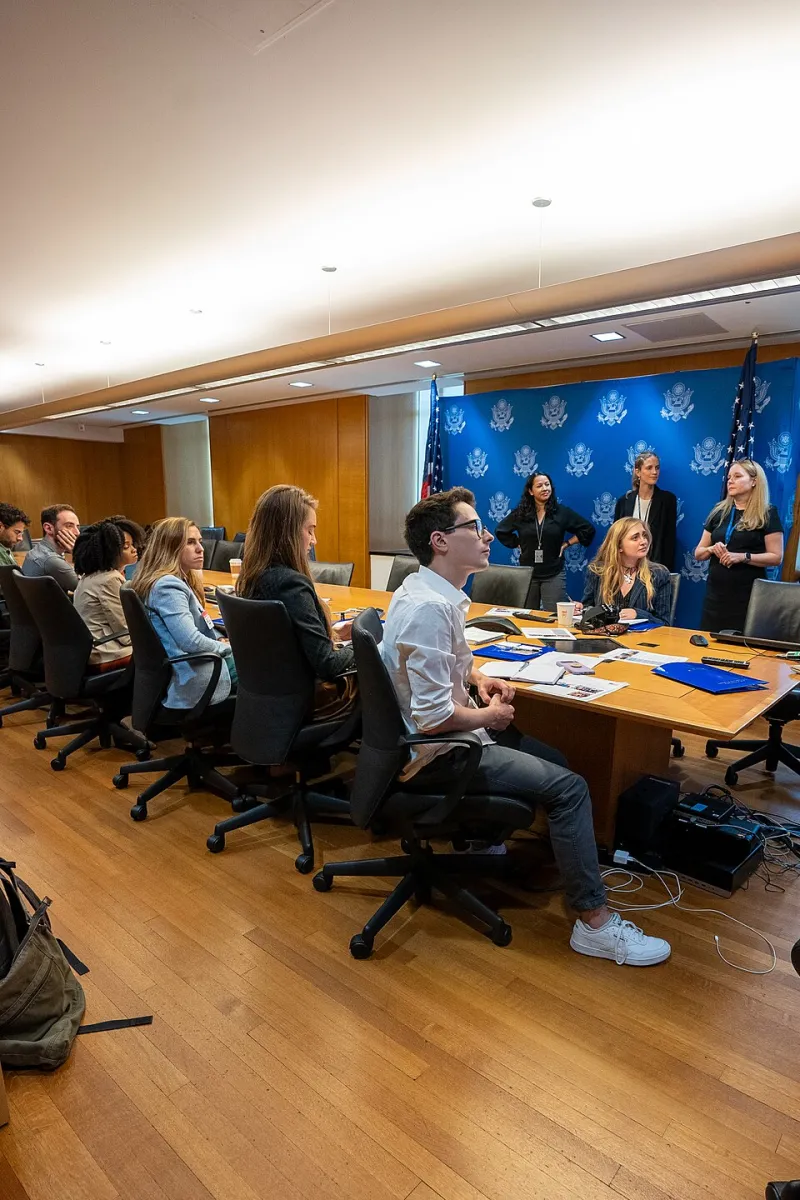
Photo: Exchanges Photos, CC0, via Wikimedia Commons
For most content creators, the legal dimension of distribution is an afterthought—something to address only after a copyright strike lands in their inbox or a platform suspends their account without warning. That reactive posture is becoming increasingly costly. As the distribution landscape fragments across dozens of platforms, each carrying its own terms of service, content policies, and data-handling obligations, the cumulative legal exposure for creators has grown substantially.
The good news is that most of these risks are manageable—provided you take the time to audit your current setup before a problem surfaces.
Why Distribution Has Become a Legal Minefield
The shift toward multi-platform content delivery has introduced layers of legal complexity that did not exist a decade ago. A creator who simultaneously publishes on YouTube, distributes a newsletter through a third-party email platform, syndicates podcast episodes across multiple directories, and maintains a presence on social media is not operating under a single legal framework. They are operating under dozens of them simultaneously.
Each platform carries its own terms of service, and those terms often include provisions that directly affect intellectual property ownership, content licensing, and liability exposure. Many creators sign up for platforms without reading these agreements carefully—and that oversight can have real consequences.
Beyond platform-specific terms, creators distributing content to US audiences must also navigate an increasingly assertive regulatory environment. The California Consumer Privacy Act (CCPA), Virginia's Consumer Data Protection Act (VCDPA), and similar state-level frameworks impose specific obligations on anyone who collects or processes personal data—including email addresses gathered through newsletter sign-ups or audience analytics tools embedded in distributed content.
The Three Core Risk Categories Every Creator Should Understand
Intellectual Property and Licensing Exposure
When you upload content to a platform, you are typically granting that platform a license to use, reproduce, and distribute your material under the conditions outlined in their terms of service. The scope of that license varies widely. Some platforms claim a broad, royalty-free, worldwide license to your content for the duration of your account and, in some cases, beyond it.
This becomes particularly significant when you distribute the same content across multiple platforms. If the licensing terms of Platform A conflict with your distribution agreement on Platform B, you may inadvertently be in breach of one or both agreements. Creators who license their content to third parties—brands, media outlets, or syndication partners—face additional complexity if platform terms have already granted those rights to someone else.
Music and video creators face a related but distinct challenge: third-party content embedded in their work. Even a brief clip of copyrighted music used as background audio can trigger automated content ID systems that strip monetization, redirect revenue to rights holders, or remove the content entirely. These systems operate differently across platforms, meaning a piece of content that passes without issue on one channel may be flagged on another.
Regional Content Restrictions and Cross-Border Compliance
US-based creators who reach international audiences—whether intentionally or not—must contend with regional content regulations that vary significantly by jurisdiction. The European Union's General Data Protection Regulation (GDPR) imposes strict consent and data-handling requirements that apply whenever a creator's content is accessed by EU residents, regardless of where the creator is based.
Certain categories of content face outright restrictions in specific markets. Political advertising, financial advice, health claims, and content involving minors are subject to regulatory oversight that differs dramatically between the US and other jurisdictions. A distribution strategy that works cleanly for a domestic audience may create compliance problems the moment that content reaches a broader geographic footprint.
Platform-Specific Liability Clauses
Beyond licensing terms, many platform agreements include indemnification clauses that require creators to cover the platform's legal costs in the event that the creator's content generates a third-party claim. These provisions are easy to overlook during sign-up, but they represent a meaningful financial risk for creators who distribute at scale.
Some platforms have also introduced clauses that allow them to modify their terms unilaterally, with changes taking effect upon continued use of the service. Creators who do not monitor these updates may find themselves bound by terms they were never aware of.
Conducting a Distribution Legal Audit
An audit of your distribution strategy does not require a law degree, but it does require a structured approach. The following framework provides a practical starting point.
Step 1: Map your distribution footprint. List every platform, directory, newsletter service, and syndication partner through which your content currently flows. Include any third-party tools that embed tracking pixels or collect audience data on your behalf.
Step 2: Review key terms for each platform. Focus specifically on intellectual property licensing language, indemnification clauses, data-sharing provisions, and any terms governing content removal or account termination. Document any terms that appear inconsistent with your distribution goals or conflicting across platforms.
Step 3: Assess your data collection practices. Identify every point at which you collect personal data from your audience—email sign-ups, analytics tools, gated content downloads, and similar touchpoints. Evaluate whether your current privacy disclosures are consistent with applicable state regulations, particularly if you serve audiences in California, Virginia, Colorado, or Connecticut.
Step 4: Audit your content for third-party IP exposure. Review your catalog for any embedded music, video clips, images, or other materials sourced from third parties. Confirm that you hold valid licenses for each element and that those licenses extend to every platform on which the content is distributed.
Step 5: Consult qualified legal counsel. For creators distributing at significant scale or generating meaningful revenue, a review by an attorney with expertise in intellectual property and digital media is a worthwhile investment. The cost of proactive legal guidance is almost always lower than the cost of responding to a formal claim.
Building Compliance Into Your Distribution Architecture
The goal of a legal audit is not merely to identify existing vulnerabilities—it is to build a distribution framework that is structurally less exposed to legal risk going forward.
That means standardizing your content licensing approach before publishing to new platforms, maintaining a clear record of all third-party materials used in your work, and establishing a process for reviewing platform terms when you onboard a new channel. It also means treating your audience data as a genuine asset that requires protection, rather than a passive byproduct of your distribution activity.
Creators who take this approach are better positioned not only to avoid costly disruptions, but to build audience relationships grounded in trust—which, in the long run, is the most durable competitive advantage any distribution strategy can offer.
The routes your content travels matter. Making sure those routes are legally sound is not a constraint on your growth—it is a prerequisite for it.