No More Gatekeepers: The Creator's Guide to Running Your Own Distribution Network
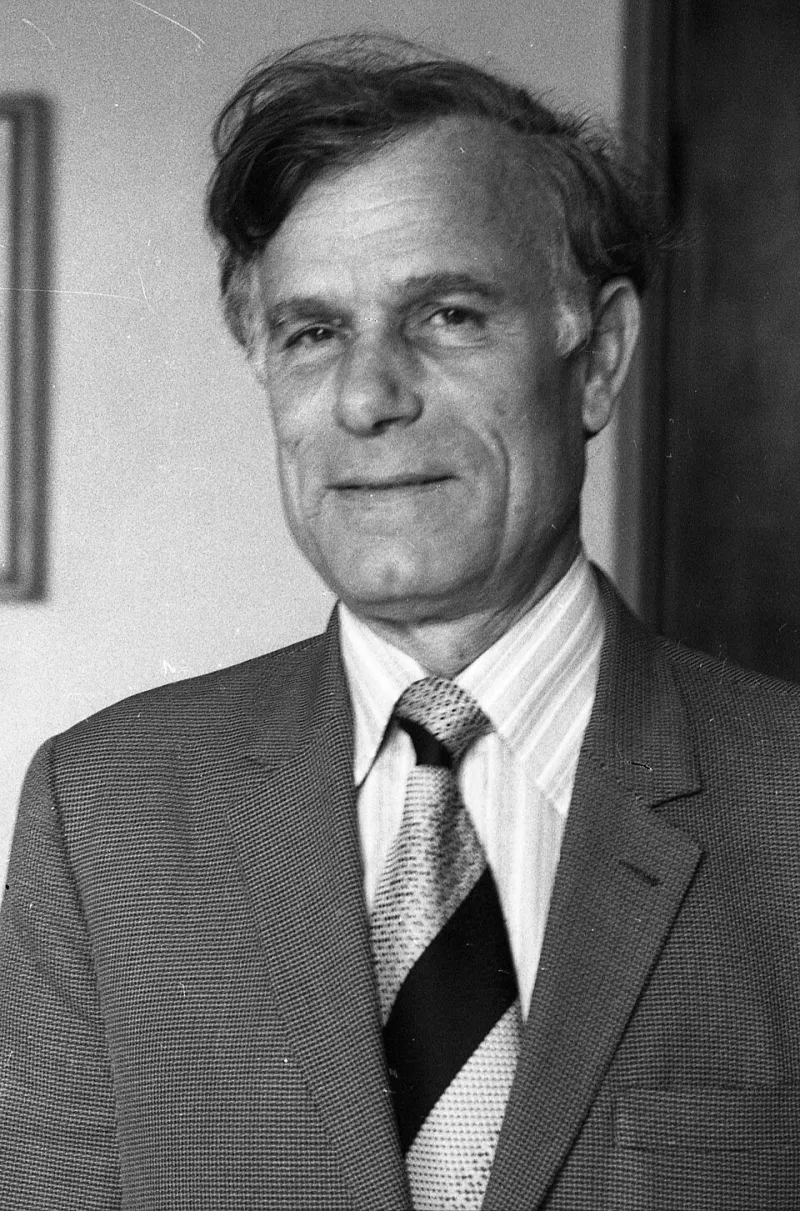
Photo: Danny Gotfried, CC BY 4.0, via Wikimedia Commons
For most of the last century, the path to an audience ran through somebody else's office. Syndication agencies decided which columns ran in which newspapers. Press placement firms determined which stories earned a slot on the wire. Content brokers negotiated access to shelf space that creators could never reach on their own.
That world is dissolving. The tools that once required a distribution department—a publishing stack, an email platform, analytics dashboards, automated scheduling—now cost less per month than a single placement fee did in 1995. And the creators paying attention are discovering something their predecessors never could: the middleman's margin is now theirs to keep, or theirs to reinvest in reach.
Why the Old Model Collapsed
Traditional intermediaries sold two things: access and expertise. Access meant relationships with editors, broadcasters, and platform gatekeepers. Expertise meant knowing how to package and route content so it actually arrived somewhere.
Both commodities have depreciated dramatically. Direct-to-audience channels—email lists, podcasts, newsletters, owned communities—bypass the access problem entirely. And the expertise gap has narrowed as publishing tools have absorbed the logistics. A solo creator in Austin can now run routing operations that would have required a five-person team at a regional publishing house twenty years ago.
The result is a structural shift: distribution is no longer a service you buy. It's a capability you build.
What Self-Managed Distribution Actually Requires
Running your own network is not the same as having accounts on several platforms. It requires deliberate infrastructure, and that infrastructure has four load-bearing walls.
1. An owned channel as your hub. Email remains the most durable route to an American audience—no algorithm sits between you and the inbox. Every self-distributing creator needs at least one channel they control outright, because every other route can be rerouted, throttled, or revoked.
2. A routing calendar, not a posting calendar. A posting calendar asks, "What do I publish today?" A routing calendar asks, "Where does this asset travel, in what form, and on what schedule?" The distinction matters. Distribution is a supply chain question, and supply chains are planned, not improvised.
3. Channel-specific adaptation. The work that lands in a newsletter needs reshaping before it can perform on YouTube or LinkedIn. Self-distribution means owning the transformation process—the editing, reformatting, and reframing that intermediaries once handled. Skip it, and you're just dumping inventory into channels that can't use it.
4. Measurement you trust. When you're your own distributor, nobody sends you a quarterly report. You need your own honest picture of which routes deliver, which decay, and which quietly cost more than they return.
The Honest Trade-Offs
This is an opinion column, so here is the opinion: the middleman is not dead because middlemen were useless. They're dying because their costs stopped making sense—but the discipline they provided was real.
A syndication desk forced quality control. A placement service enforced deadlines. When you absorb those functions, you also absorb the failure modes: inconsistent output, unreviewed work, routes that go unmonitored for months. Creators who romanticize self-distribution without building the operational rigor end up with all of the logistics and none of the reach.
The creators succeeding at this treat themselves like a small logistics company. They audit their routes quarterly. They maintain backup channels. They know their cost per delivered piece of content, not just their view counts.
Start With One Route You Own
If the prospect of becoming your own distribution network feels heavy, start narrow. Build one owned channel to reliability. Add one borrowed channel, adapted natively for it. Measure both honestly for ninety days. Then expand.
The gatekeepers didn't vanish overnight, and your infrastructure won't either. But the direction is clear: the creators who own their routes will decide where their work travels—and the ones who don't will keep paying someone else for the privilege.